


-
Industries
Healthcare & Compliance
Patient data systems, compliance reporting, and workflow automation for regulated environments.
- HIPAA-aware integration pipelines
- Automated compliance dashboards
- Patient workflow digitization
Logistics & Supply Chain
Real-time tracking, route optimization, and inventory visibility across your distribution network.
- ERP/WMS integration
- Automated dispatch workflows
- Supply chain dashboards
SaaS & Tech-enabled
Scale your product infrastructure, integrate third-party tools, and ship features faster with reliable ops.
- API-first architecture
- Multi-tenant infrastructure
- CI/CD and release pipelines
Banking & Financial
Secure transaction processing, regulatory reporting, and customer-facing portals for financial services.
- Regulatory reporting automation
- Secure data integration
- Customer portal modernization
- Case Studies
Featured Case Studies
Browse all case studies →Euro Truck ServiceLogistics firm automated 12 manual workflows in a single 30-day sprint
"Read case study →Ergonnex AI 360Ergonnex AI 360 is a powerful project management platform that helps IT companies manage their projects better with built-in AI-powered analytics
Read case study →PanoramikPanoramic caters to your passion for sharing photos in a social media environment.
Read case study →
Introduction
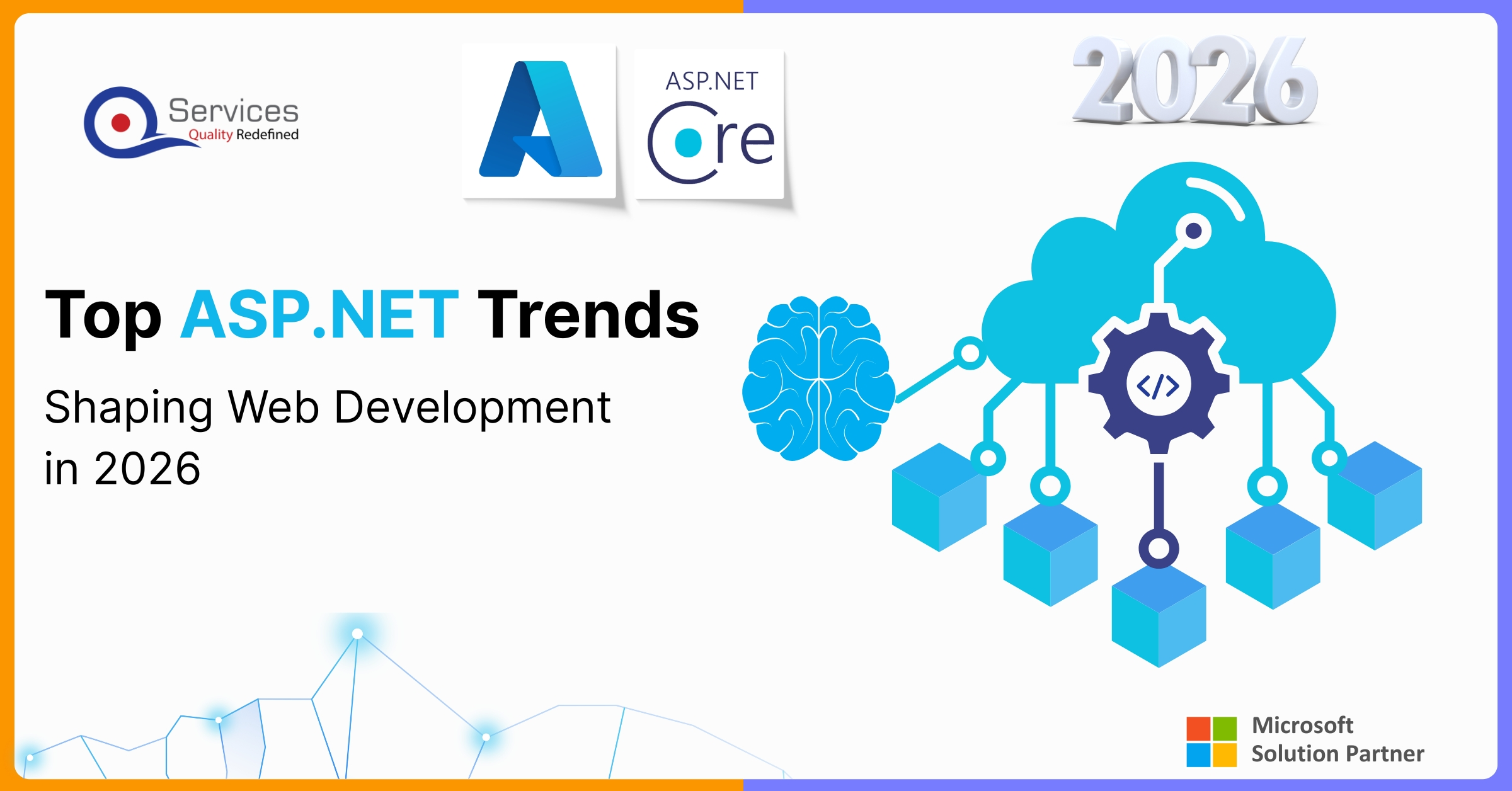
As we are heading to 2026, the conversation around web development has shifted from what’s trending today to what will define tomorrow.
For years, businesses have relied on ASP.NET to build secure, reliable, and scalable web applications. But today, it’s not just about building apps but building a secure future of .NET in web development.
ASP.NET has changed a lot over the years. It’s no longer just a framework for websites. In 2026, it is becoming a complete platform that connects with cloud-native services, artificial intelligence (AI), and modern ways of building applications.
Is ASP.NET Still in Demand in 2026?
This is a fair question many CIOs and IT leaders ask when planning long-term investments. The numbers and industry adoption trends say yes. ASP.NET remains a favorite especially in industries like finance, healthcare, e-commerce, and logistics, where security and compliance are critical. Even with newer frameworks around, ASP.NET has the backing of Microsoft cloud native services and the .NET 9+ ecosystem, which makes .NET scope in future. In fact, reports show that more businesses are planning to modernize existing apps using ASP.NET cloud native strategies for Azure app modernization 2026. In this blog, we’ll explore the top ASP.NET trends shaping web development in 2026 — from cloud-native development with Azure, to new features like Blazor and Minimal APIs, to smarter architectures powered by AI and event-driven systems.Trend 1: Cloud-Native Development with Azure
One of the biggest shifts in ASP.NET development is the move toward cloud-native applications. Businesses are no longer satisfied with traditional hosting. Instead, they want applications that are scalable, cost-efficient, and have availability and that’s exactly what Azure cloud-native services offer. With Azure app modernization, companies are upgrading old applications to run in the cloud. This means apps can handle more users, recover faster during downtime, and connect easily with services like AI, IoT, and advanced analytics. For example, in 2026, a retail business might run its entire e-commerce platform on ASP.NET with Azure Kubernetes Service (AKS), making sure it scales smoothly during holiday sales. A hospital might use ASP.NET cloud-native APIs to securely share patient data across systems, while still meeting strict compliance rules.Trend 2: The Rise of Blazor and Minimal APIs
In 2026, one of the most exciting changes we going to see in ASP.NET development is the growth of Blazor and Minimal APIs. These two features are making web development faster, easier, and much more powerful.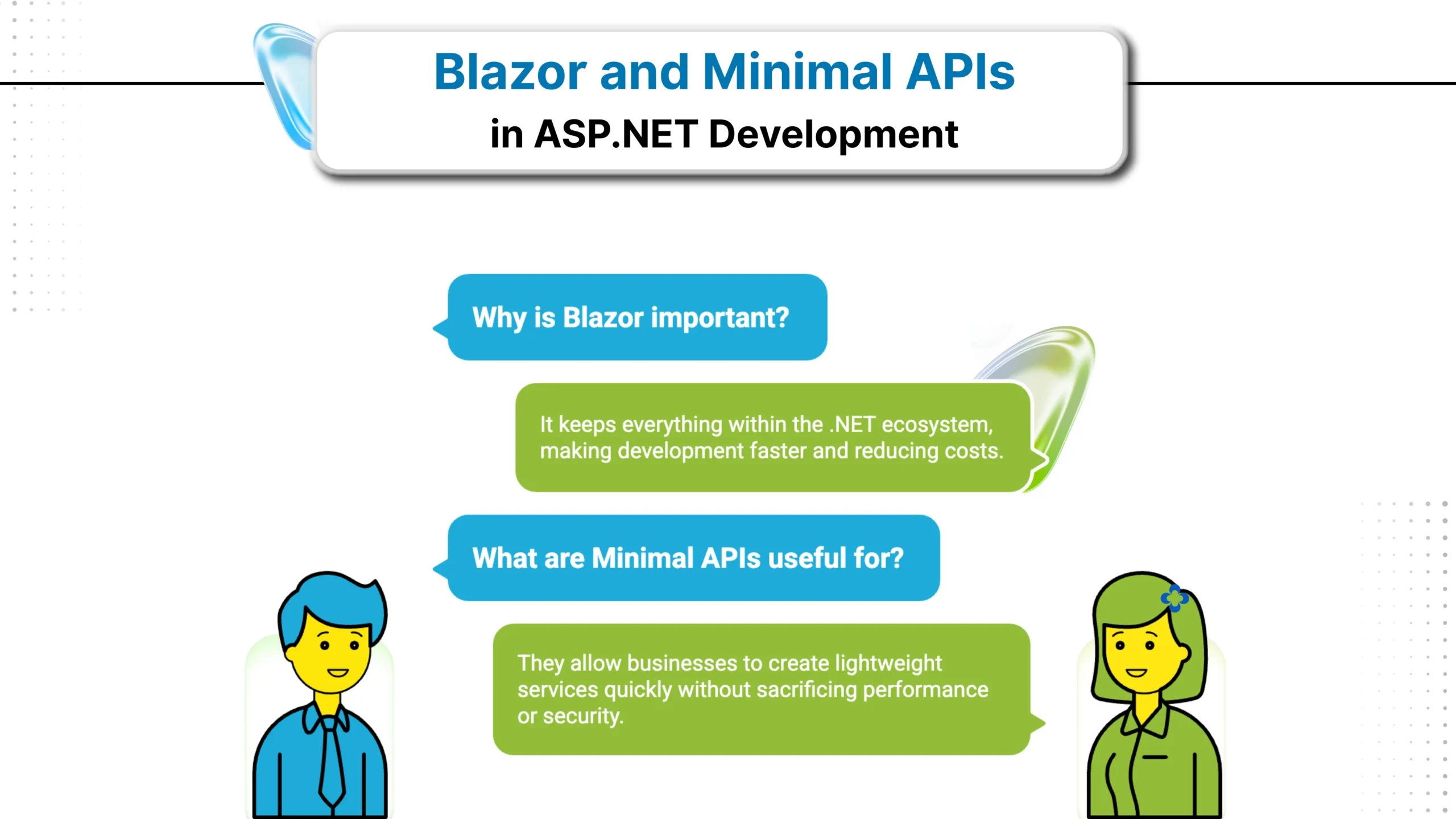
Why Blazor?
Blazor is a framework that lets developers build interactive web apps using C# instead of JavaScript which means businesses that already rely on ASP.NET don’t need to switch languages or hire new skill sets. With Blazor, teams can create modern, responsive applications that run smoothly in browsers and even work offline.
For example:
- A finance company can use Blazor to build secure dashboards where users can track investments in real time.
- An e-commerce brand can create feature-rich online stores with fast checkout flows, all powered by ASP.NET and Blazor.
Blazor is important because it keeps everything within the .NET ecosystem, making development faster and reducing costs for companies.
In the past, building APIs often required writing a lot of extra code. But with Minimal APIs in ASP.NET, developers can build powerful APIs with just a few lines.
This is useful in industries like healthcare or logistics, where companies need lightweight services that can handle huge amounts of data. Minimal APIs allow businesses to create these services quickly without sacrificing performance or security.
For instance:
- A hospital system could use Minimal APIs to share patient records securely between apps.
- A logistics company could track shipments in real time, updating customers instantly.
Together, Blazor and Minimal APIs are shaping how businesses approach web development in 2026. They make applications build faster, manage easier, and more cost-effective.

Trend 3: Smarter ASP.NET Apps with AI and Machine Learning
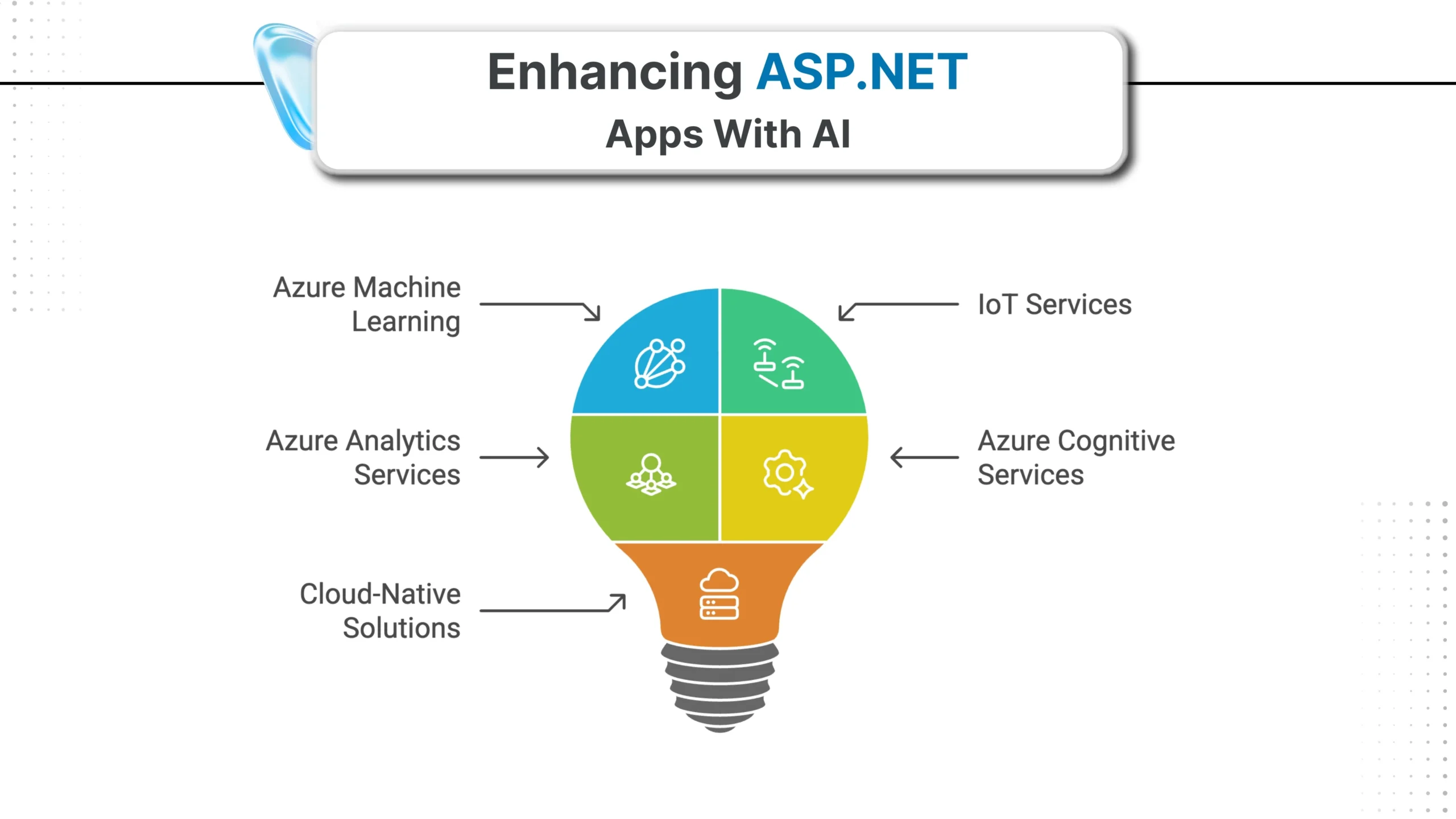
Suppose you are running a logistics company in 2026. Your trucks are on the road 24/7, carrying goods across states. Suddenly, one breaks down. Deliveries are delayed, customers are frustrated, and costs skyrocket.
Now imagine a different story, your ASP.NET Core application with Azure Machine Learning (Azure ML), predicts that breakdown before it happens. The app, connected through IoT services, warns the driver and reroutes the delivery. You save time, money, and reputation.
That’s the real power of AI in predictive maintenance. And it’s just one-way businesses are bringing intelligence into their apps.
Traditional apps react when something happens. But businesses in industries like oil and gas, e-commerce, and healthcare want apps that think ahead. With Azure analytics services and IoT solutions, ASP.NET developers are building systems that can:
- Spot risks in real-time (equipment failures, fraud attempts, supply chain delays).
- Personalize experiences (recommend the right product to the right customer at the right time).
- Support smarter decisions (from oil gas analytics dashboards to predictive healthcare alerts).
Why Developers Love It
Here’s the best part: you don’t have to reinvent the wheel. With tools like Azure Cognitive Services and Azure data analytics, developers can plug advanced AI directly into ASP.NET apps—speech, vision, sentiment analysis, or predictive insights—without building complex models from scratch. That means a hospital IT team, a retail startup, or even a large enterprise can move fast, integrate AI into existing workflows, and scale with cloud-native ASP.NET solutions. By 2026, the companies leading their industries will be the ones combining ASP.NET Core development, Azure ML services, and IoT platforms into a single strategy. Whether through bringing AI expertise in-house or working with a reliable software services company, to deliver better solutions.Trend 4: DevOps and Automation
Let’s be honest in today’s digital race, slow software releases are business killers. Customers don’t wait, competitors don’t wait, and security risks certainly don’t. That’s where DevOps comes in, and it’s becoming a must-have in the world of ASP.NET development. Instead of developers manually pushing code and IT teams scrambling to fix errors, automation pipelines handle it all resulting in fewer bugs faster releases and better teamwork. But DevOps is more than just speed. With Azure DevOps pipelines, businesses can seamlessly connect their development, testing, and deployment processes in one place. This trend is especially game-changing for mid-sized businesses and startups. By using Microsoft Azure DevOps services alongside ASP.NET Core development, they can compete head-to-head with enterprise players who once had the monopoly on fast, reliable software delivery.Trend 5: AI and Machine Learning
In past 2-3 years, most companies were just experimenting with AI in their .NET applications. By 2026, AI will become the default starting point. Businesses will no longer ask, “Should we integrate AI?” Instead, the question is, “How quickly can we launch an AI-first product?” Microsoft Azure Machine Learning will power this shift. What once required large data science teams will be simplified with AutoML, prebuilt models, and low-code AI integrations that developers will seamlessly use within ASP.NET Core applications. This will free developers to focus less on building infrastructure and more on delivering innovation. The barrier to entry for AI will shrink, while the expectations for intelligent, adaptive applications will only grow.Trend 6: Hyper-Personalization with Real-Time Analytics
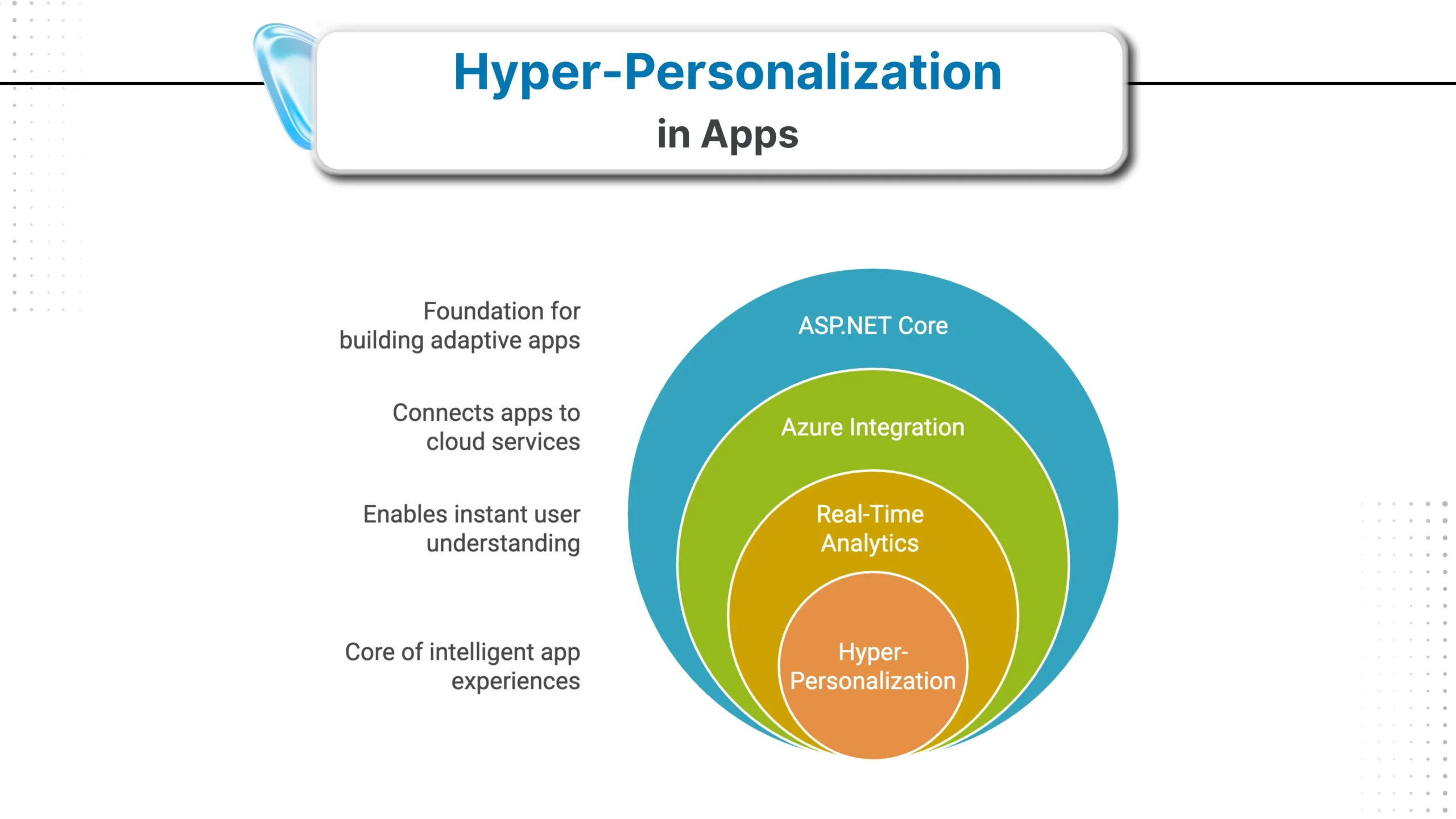
By 2026, businesses won’t settle for apps that simply work but will expect apps that understand users instantly and act intelligently. With ASP.NET Core connected to Azure analytics services, IoT solutions, and real-time data pipelines, companies will deliver hyper-personalized experiences that feel almost human.
- Retail apps that recommend products the moment a user opens the app, adjusting in real-time to browsing habits and past purchases.
- Healthcare portals that automatically predict patient follow-ups, send alerts, and even suggest lifestyle adjustments based on real-time health data.
- Finance dashboards that dynamically adjust investment insights, alerting users to opportunities or risks before they even ask.

Trend 7: Low-Code and No-Code Integration
By 2026, businesses will want apps that can change quickly without long coding cycles. Low-code and no-code tools are helping ASP.NET developers and business teams build apps faster. With these tools, even people who aren’t professional developers can create workflows, dashboards, or simple features. Developers can focus on more complex tasks, like security, integrations, and performance. This makes building apps faster, easier, and more efficient. These tools are already changing how companies work. For example, a retail business can quickly create a real-time product recommendation system using Azure analytics services. A hospital can set up a patient portal that automatically sends reminders and alerts using IoT solutions. And a finance company can make dashboards that adjust investment insights instantly with Azure data analytics and AI. Everyone can contribute, and apps get smarter and more responsive. The real value of low-code and no-code is that it helps teams work together better and deliver results faster. Companies can save time, reduce costs, and scale apps easily with ASP.NET Core and Azure cloud-native services. By 2026, low-code will not just be a convenience—it will be an essential part of modern app development, letting businesses respond quickly to customer needs and stay competitive.Trend 8: Event-Driven and Microservices Architectures
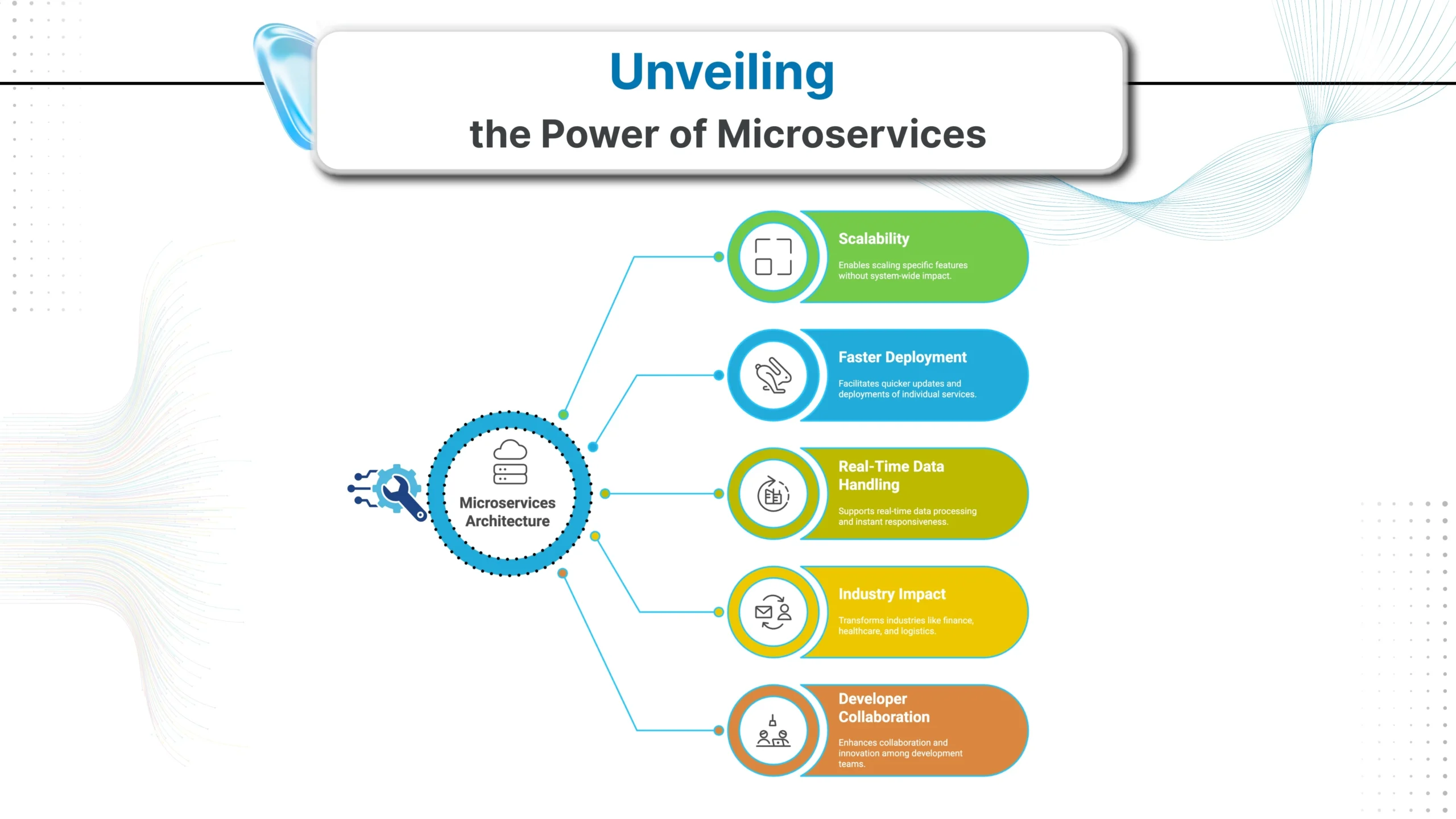 By 2026, businesses will largely move toward event-driven architectures and microservices in their ASP.NET Core applications. Instead of building one large monolithic application, developers will break apps into smaller, independent services. This makes companies to scale specific features, deploy updates faster, and handle large amounts of data in real time without affecting the entire system.
For industries like finance, healthcare, e-commerce, and logistics, this trend will be a game-changer. Microservices connected with Azure cloud-native services, IoT solutions, and Azure data analytics will ensure that every part of an application can respond instantly to changes. For example, a logistics platform can update shipment tracking in real time, while a healthcare system can instantly alert doctors about critical patient updates. Event-driven models make these systems highly responsive, reliable, and easier to maintain.
For developers, the shift to microservices will also encourage better collaboration and faster innovation. Teams can work on individual services independently while integrating them through ASP.NET Core APIs.
By 2026, businesses will largely move toward event-driven architectures and microservices in their ASP.NET Core applications. Instead of building one large monolithic application, developers will break apps into smaller, independent services. This makes companies to scale specific features, deploy updates faster, and handle large amounts of data in real time without affecting the entire system.
For industries like finance, healthcare, e-commerce, and logistics, this trend will be a game-changer. Microservices connected with Azure cloud-native services, IoT solutions, and Azure data analytics will ensure that every part of an application can respond instantly to changes. For example, a logistics platform can update shipment tracking in real time, while a healthcare system can instantly alert doctors about critical patient updates. Event-driven models make these systems highly responsive, reliable, and easier to maintain.
For developers, the shift to microservices will also encourage better collaboration and faster innovation. Teams can work on individual services independently while integrating them through ASP.NET Core APIs.
Trend 9: Integration with Emerging Tech
The future of ASP.NET development is all about connection. By coming years, businesses won’t just rely on standalone apps—they’ll expect their web applications to talk seamlessly with other technologies. Imagine an ASP.NET platform that interacts effortlessly with IoT devices, AI analytics, blockchain networks, and even AR/VR tools. This isn’t sci-fi—it’s the direction web development is heading. For Example, In healthcare, A hospital could use an ASP.NET portal linked with IoT-enabled medical devices to monitor patient vitals in real time. Alerts and insights flow automatically to doctors, making care faster and smarter. Retailers could combine AI-driven recommendations with AR try-on features, providing shoppers a hyper-personalized experience. Meanwhile, finance apps could adopt blockchain integrations for secure, transparent transactions, keeping everything efficient and trustworthy. Using Azure cloud-native services, Azure Machine Learning, and IoT solutions, teams can craft apps that are not only powerful today but ready to embrace tomorrow’s innovations. In short, the ability to integrate with emerging technologies will separate industry leaders from followers, turning ASP.NET apps into intelligent, connected hubs that drive business forward.Conclusion
Technology is only as good as the experience it creates. ASP.NET in 2026 promises apps that understand users, adapt instantly, and act intelligently. By combining AI, IoT, analytics, and cloud-native strategies, businesses will craft digital experiences that feel personal, seamless, and future-ready.

Do you have more questions?
Have a one on one discussion with our Expert Panel
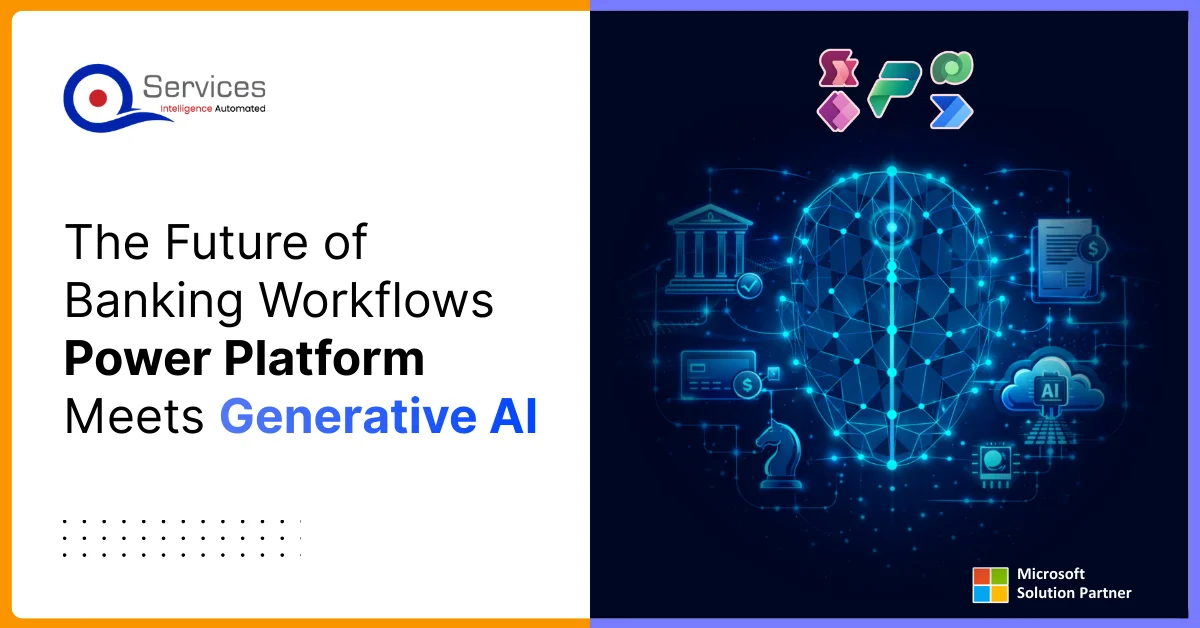
Every bank today is trying to do more with the same teams. Customer emails are increasing, compliance checks are getting stricter, and service expectations are becoming instant. Yet most internal processes still depend on manual steps. Employees move data from one screen to another, verify documents by hand, and follow long approval chains.
Secure access is vital for organizations managing digital identities in today’s landscape. While both CIAM and IAM secure user identities, they serve different purposes — CIAM for customers and IAM for employees. This article explores their key differences and how to choose the right system.

For decades, traditional banking systems handled only basic transactions. The digital era exposed their limitations in speed and adaptability. Evolved core banking now powers seamless, future-ready financial services.





Sahil Kataria
Founder and CEO

Amit Kumar
Chief Sales Officer



QServices Inc. undertakes every project with a high degree of professionalism. Their communication style is unmatched and they are always available to resolve issues or just discuss the project.
